
When horses became domesticated, owners found that their hooves would wear or break. They realized quickly that they needed extra protection to extend their worth. So what did they do? They developed shoes for the same reason we wear them – to protect our feet and help us move faster.
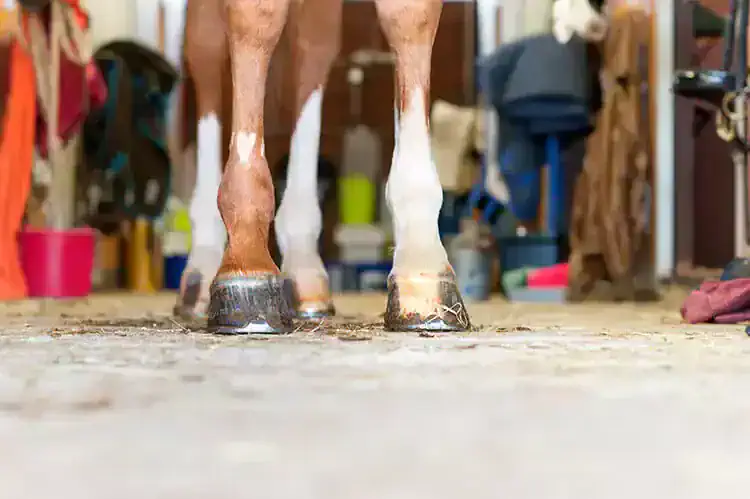
Some horseshoes have dated to 400 B.C., others to AD 900. By the 13th century, horseshoes were made and used regularly, and the first U.S. patent for a horseshoe manufacturing machine was issued in 1835. They come in a variety of materials and styles – the most common are steel and aluminum – dependent on the work they do.
All that said, many new owners wonder if their horse needs them. For most pleasure horses, shoes aren’t really necessary. Show horses sometimes gets shoes to change their gait, or if the gait is putting stress on the body. Some believe that horses should never wear them, including ones with serious hoof problems because natural trims, footing changing and switching of diet can correct those matters. Others will contend it’s simply inhumane.
What you’ll really want to look at is the wear of the hoof and his comfort. If you notice your horse has sore feet, that doesn’t necessarily mean shoes are needed. There are hoof boots that can only be worn while riding. If you don’t want to nail on shoes, glued-on shoes are an option, though they typically don’t last as long.
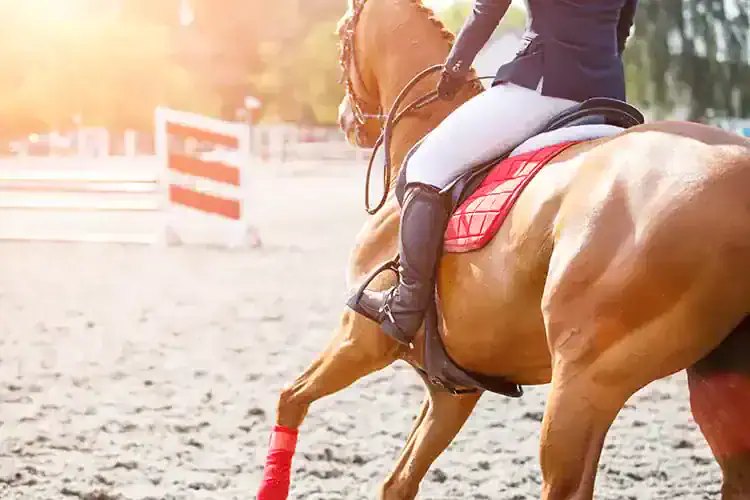
If you use your horse for strenuous work, such as pulling lot of weight, shoes are probably needed to prevent hoofs from grinding down. Shoes can also be useful in the winter to give better traction on snow and ice.
Race horses most definitely use shoes and the majority are shod with nailed-on aluminum plates. For those with foot ailments or defects, glue-ons work, too – that’s because if the horse’s hoof is brittle or damaged, the shoe nails can cause further damage. Poor shoeing is always something to look out for, because it can be the root of some problems: nails that are inserted incorrectly, and improperly fitted or placed shoes are just a few issues to keep in mind. It’s always best to turn to your farrier for guidance.
Shoeing can have benefits, but it should be a decision between you, the farrier and your vet. Whether you end up using them or not, keeping one around for good luck never hurt anyone, either.