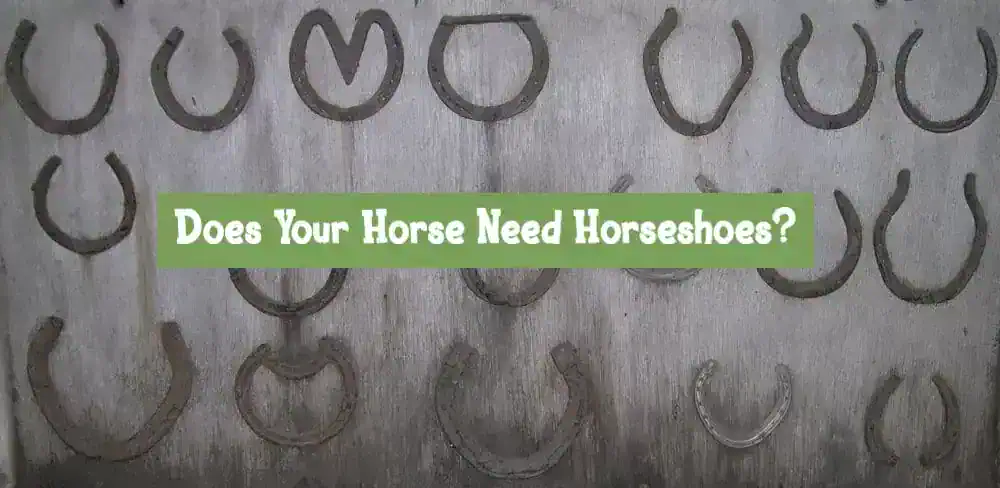
As a horse owner, somewhere along the line you’re going to ask yourself the question, does my horse really need horseshoes? After all, horses in the wild don’t wear them and they seem to be fine. You’ll also run into some barefoot proponents who believe that horses are okay without shoes. Some may even contend that shoes are inhumane.
The horseshoe topic is well worth a round of discussion. There’s really no one right answer, so the best option is to become as informed as possible. That way you’ll always be making the right decision for your horse. After all, he’s the one who wears them.
History of shoes
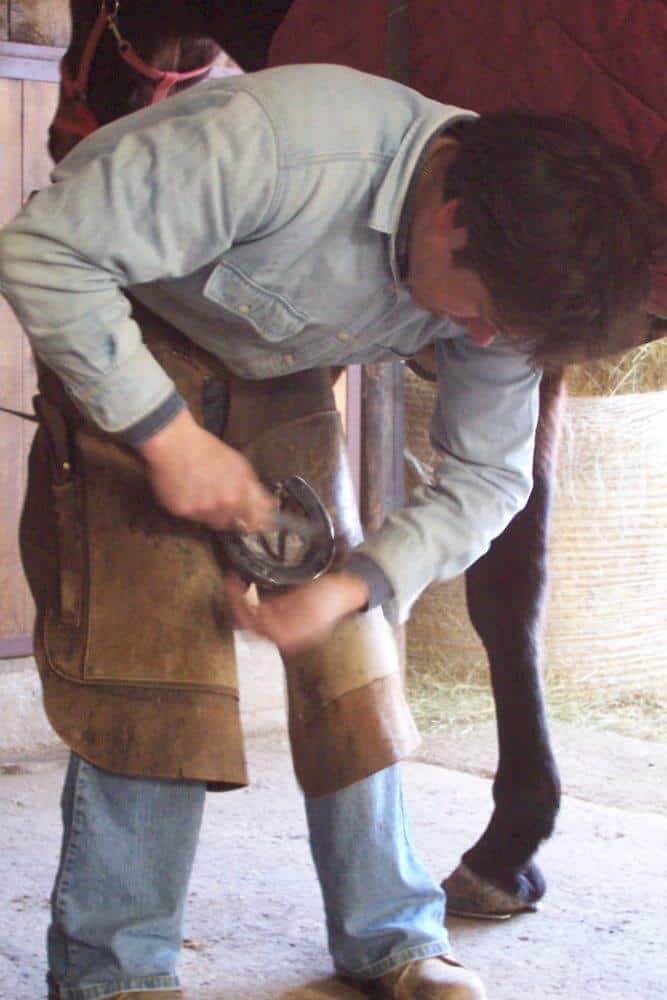
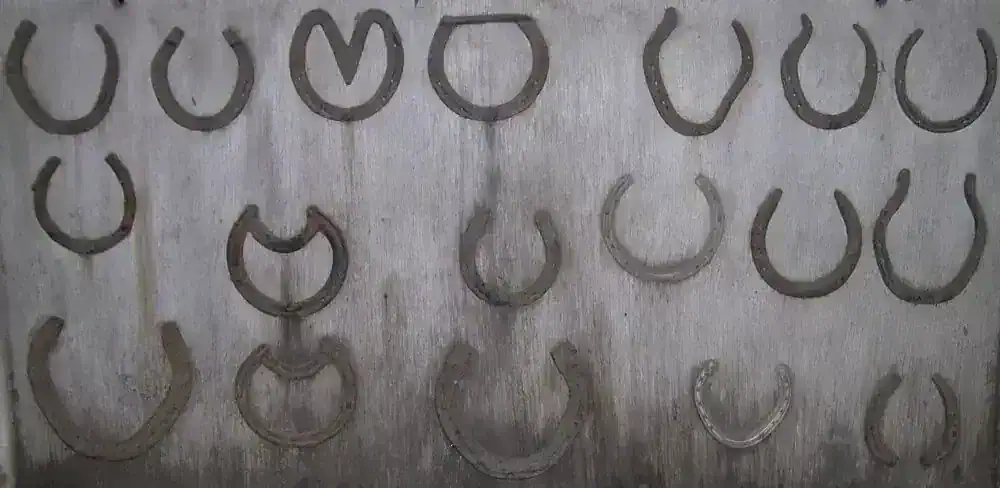
Horseshoes have been around longer than you think. And just like today, those original shoes were added for protection due to the work demands and the ground upon which those earlier horses walked. They were also added as horses became domesticated. Some horseshoes have dated to 400 B.C., others to AD 900. By the 13th century, horseshoes were made and used regularly, and the first U.S. patent for a horseshoe manufacturing machine was issued in 1835. They come in a variety of materials and styles – the most common are steel and aluminum – dependent on the work a horse will do.
A look at hooves
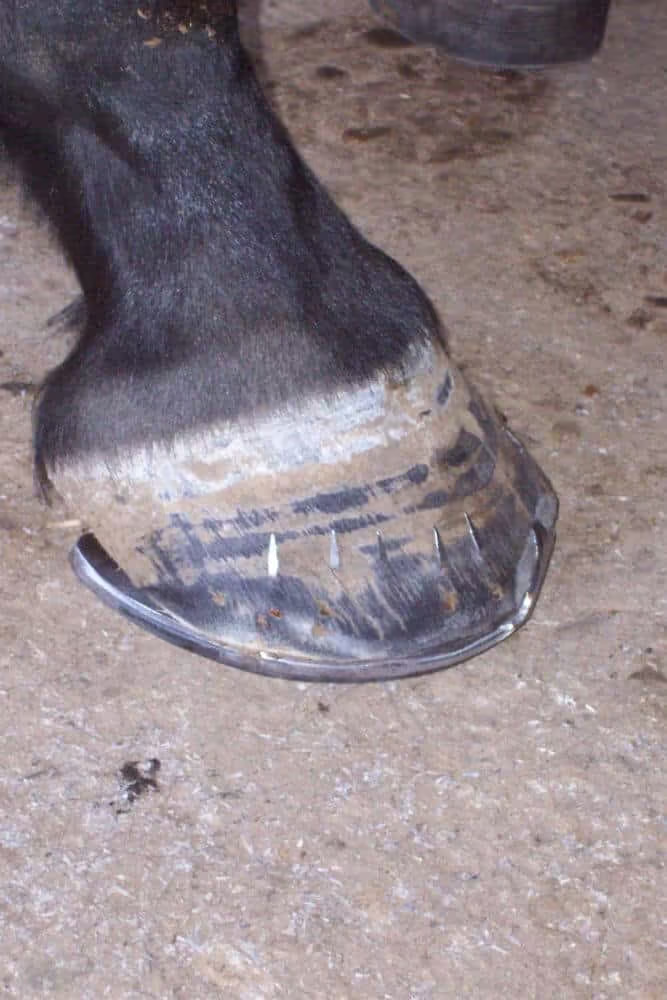
Hooves are a lot like human nails, just a lot more thick. As such, the horseshoe gets nailed into the thick portion of the hoof so they don’t feel any discomfort. The center of the hoof is sensitive but the outside portion doesn’t feel the nails. Yet if the nails are done incorrectly it could be cause for infection. Some owners even glue on the shoe. It should also be pointed out that some breeds of horses don’t have the same hoof strength as others.
The great debate
Some people believe shoes aren’t needed – horses are ready-made by nature and simply don’t need them. As long as hooves are properly trimmed and maintained, a horse can thrive in nearly any discipline without them, according to shoeless advocates. Many are right when they point out that improper shoeing can do more harm than good. Those who insist on horseshoes believe it helps provide more firm footing, thus strengthening his durability and lifespan. Pros and cons of each certainly exist.
Consider the horse
Shoes are usually used among race horses to help improve their chance of success and protect those with weak hoof or leg muscles. Weather is also a factor because shoes can give better traction in snow and icy conditions.
Balance is also a factor. If the hoof isn’t supported and balanced correctly, a shoe might be just what he needs. A poor diet will also affect hoof growth and result in less capacity to withstand forces, especially on hard ground.
But if you think a domesticated horse that’s mainly on the farm isn’t a candidate for shoes, think again. Sometimes those horses are exposes to inconsistent movement between stabling and work. They also spend a lot of time on soft, muddy ground which can affect hooves, as well. Moisture on the ground and in stalls – even from ammonia from urine – can weaken hooves. Without those natural conditioning factors that other horses might experience in the wild, it poses eventual problems.
Consider the breed
Your horse’s breed plays an important part in whether or not to shoe. Some breeds are more inclined to hoof unevenness and thin soles. Farriers sometimes put shoes onto show breeds to help overcome the extra stress on the hoof capsule and body since it could result in injury. Thoroughbreds are found to frequently have thin soles, and Warmbloods have more thick ones.
What work does he do?
Those horses who pull large amounts of weight or spend time on rough terrain will probably benefit from shoes. Concrete or rocky ground will naturally cause more scratching and wear on his hooves. That hard ground will increase the chances of navicular disease and the potential for the makings of a lame horse. Of course, not all horses are built the same, so some can withstand that abrasion. Others will find cracking and crumbling hooves more prevalent.
To shoe or not to shoe
Either way it’s going to take a lot of responsibility on your part. Barefoot or not, he’s certainly going to be trimmed. If not done right, you’ll encounter problems.
For most pleasure or pet horses, shoes probably aren’t necessary given their light routine. However, hoof health and his surroundings are going to be a factor in whether or not shoes should be worn. You’ll also need to look at the hoof wear and his feet. Deciding to give your horse shoes or not is something you’ll want to discuss equally with your farrier and veterinarian. Ultimately, you’ll want to do what’s best for the horse and not you.
And remember, shoes are removable, so whatever decision you make can be a temporary one until you decide what’s best once-and-for-all.