The link between humans and animals has lasted since the beginning of time. It’s always been mutually beneficial and dynamic, a special bond that is influenced by behaviors essential to the health and wellbeing of both.
We’ve known for years that horses have been used by physical, speech, behavioral and occupational therapists to offer support and healing.
Children with autism benefit in the same way, particularly those with Asperger Syndrome. Equine therapy assists with motor, emotional and sensory workings that come through spending time with horses. Asperger’s can be difficult to understand – as can the connection with horses – but let’s explore just how beneficial it can be.
What is Asperger Syndrome?
Asperger syndrome – often called Asperger’s or simply AS – is a developmental disorder of the brain characterized by strong difficulty with social interaction, nonverbal communication and attention span. It’s a milder autism spectrum disorder, but is characterized by relatively normal language and intelligence. Those with Asperger’s might have trouble understanding nonverbal signals, making eye contact and understanding emotion. The disorder affects less than 5 percent of the world’s population.
Physical connection
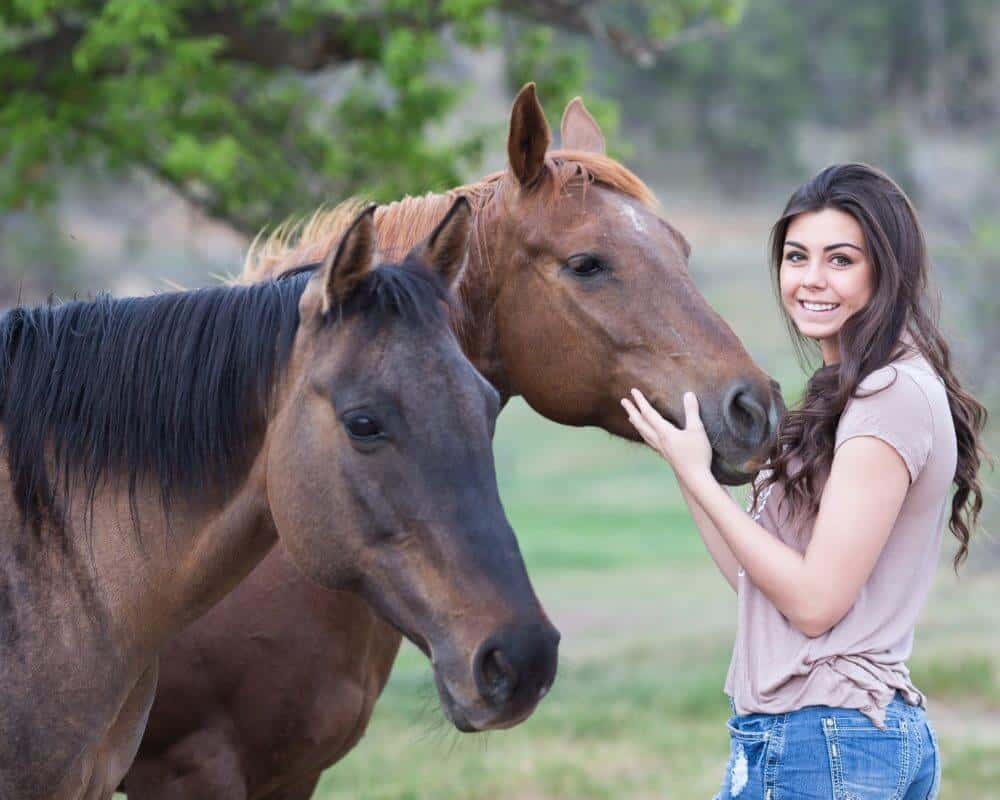
Unlike humans who enter into relationships verbally first, then physically second, horses offer the opportunity of engaging a tactile sense. The soft, fuzzy head of the horse, his smooth mane and tail, and large nose stimulate a person’s senses right away. When a person with Asperger’s discovers that powerful sensation immediately, it offers an instant connection to the physical world and can start to expand both verbal and nonverbal communication.
On the ground therapy
It might seem strange that horses could help someone with Asperger’s since they can’t talk, but think again. Horses communicate through nonverbal communication – that is, body language. When a person is on the ground and taking cues from the horse’s signals, the person learns how body language is used to communicate. That person will also gain insight on working with others, patience and responding to others.
Riding therapy
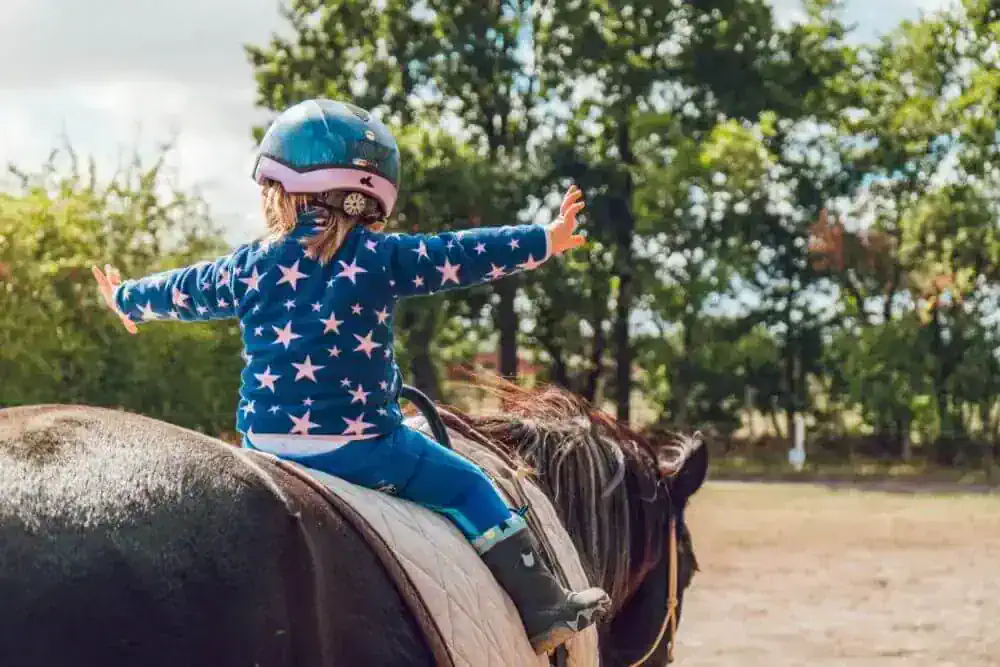
Hippotherapy, which involves riding, can also extend therapeutic advantages. With this therapy, riding offers many of the same benefits and is usually under a physician’s supervision. Therapeutic riding can also take place, but that’s more recreational and typically does not involve a physician.
Because our physical and mental wellness are intertwined, riding offers many benefits, such as relaxing tight muscles, increasing muscle strength, improving balance, sharpening hand-eye coordination and gaining self-confidence. It even improves breathing which makes it easier to speak. The horse’s movement stimulates bones and joints through tilting, rotating and moving – it’s an excellent workout for anyone.
Not only that, but when the rider offers instruction or says the horse’s name – and then receives a positive response – the overall excitement amplifies and the sensory integration improves. The delight not only encourages the rider to communicate with the horse, but with the nearby therapist. It makes the person aware of the body and mind connection, especially in relation to the horse.
An emotional bond
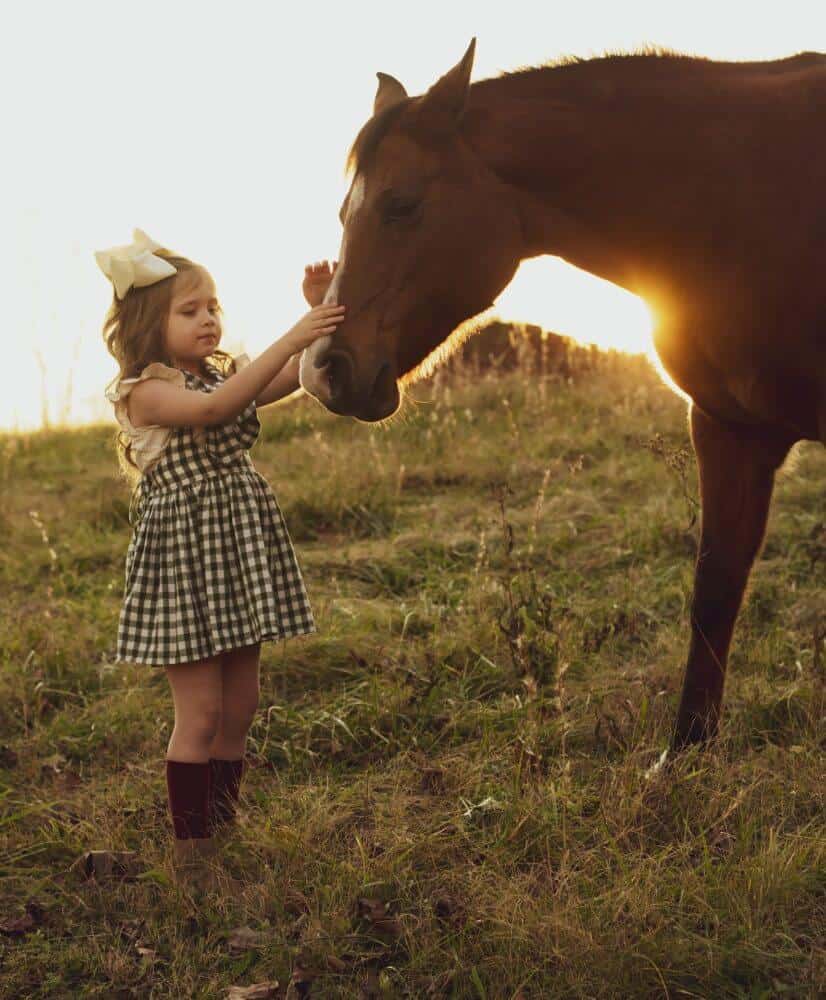
When a person can’t make eye contact easily, express emotion and communicate authentic feelings, then that can make it hard to develop friendships. Through working with a horse, those with Asperger’s can use the physical experience to potentially enhance the verbal communication. A bond is formed through brushing, patting and hugging. When a person learns to care for the horse, the care provided can be associated with feelings and a connection is made. That bond can be built upon when dealing with other humans and assist the person in human interaction.
Cognitive development
Those with Asperger’s can display behavior and activities that are restricted and repetitive. Sometimes those behaviors can be abnormally intense or focused. Through taking part in equine therapy, the individual will benefit by giving the horse direction, listening for cues and staying focused on the task at hand. It offers a natural motivation to process what’s next and communicate succinctly so the horse can respond.
Sensory issues
Compared to individuals with high-functioning autism, those with Asperger’s can have issues with visual-spatial perception, auditory perception, or visual memory. Working with horses – especially riding – can help boost sensory preceptors to make therapy exciting and inspire riders to be more involved.
Developing a relationship is fun
The real bonus in all this is that those with Asperger’s don’t even realize they’re taking part in any sort of therapy. Spending time with a horse is just plain fun – a rare activity for many who don’t even get to spend time in the countryside very often. It builds confidence and their competence increases when they learn to work and interrelate with a horse.
Most animals already have a soothing effect on people, and helps anyone to come out of their shells. Fortunately, the types of horses selected for this specialized therapy are very gentle and calm. It creates a wholesome, loving environment for all involved. Those who participate develop a special relationship they can then apply to others around them in life.