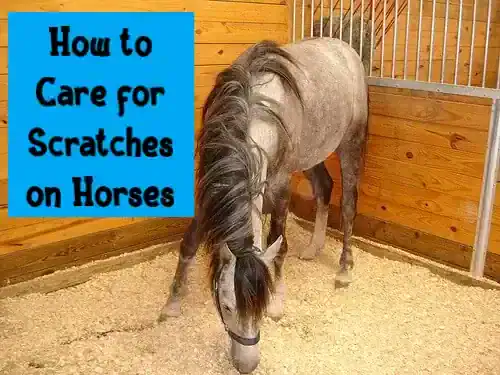
Moisture brings forth plant growth, but it also creates a skin condition your horse could just as well do without: scratches.
Scratches is a skin disease sometimes called pastern dermatitis, dew poisoning, greasy heel, or mud fever – and it’s no fun. Often exacerbated by wet and muddy conditions, scratches is caused by viral, bacterial, fungal, or parasitic infections and is noticeable by flaky, itchy skin on a horse’s lower limbs. You might even notice that affected areas ooze clear or yellowish substances.
It is certainly painful, but it’s also very treatable. Let’s look at the ways you can better deal with the horse discomfort so many of us know as scratches.
What is it?
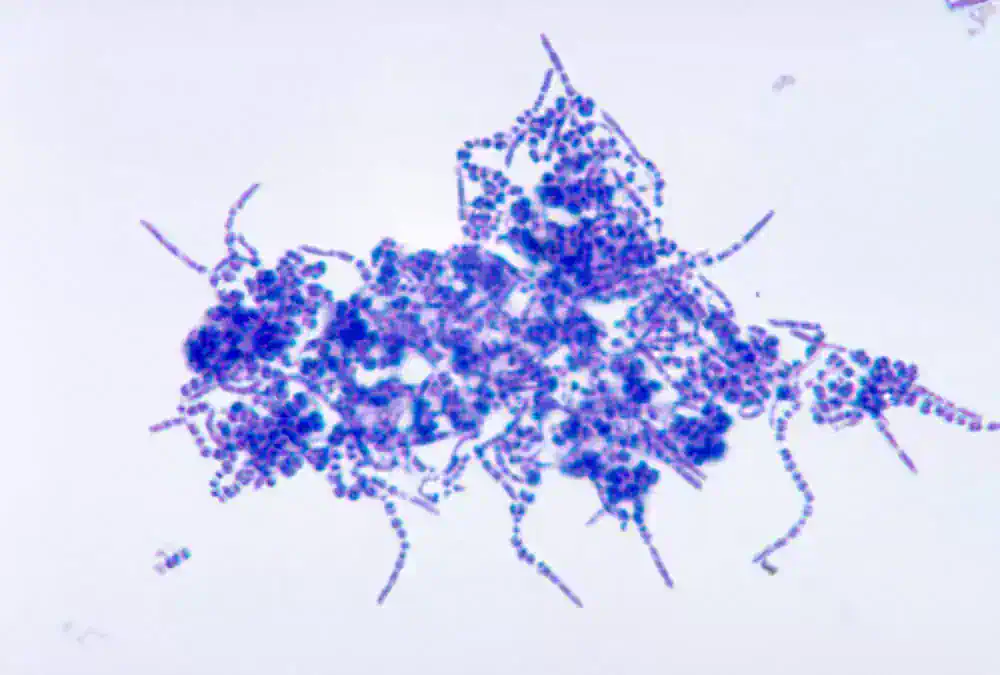
This chronic, painful skin disease is characterized by flaky skin. From a scientific perspective, it’s a seborrheic dermatitis whereby skin cells are enlarged. It happens when constant moisture penetrates an area of delicate skin, thus causing inflammation, redness and very itchy scabs. Skin can split and bleed in some cases.
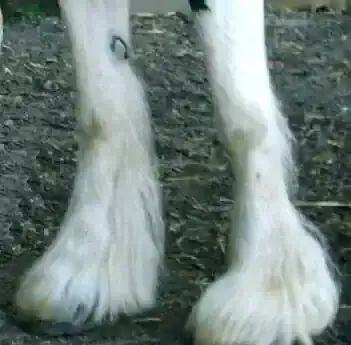
No specific cause is known, but it’s associated with poor stable hygiene. That’s because mud and dirt get inside the exacerbated area and generate bacteria. Certain horses are more susceptible to scratches, such as heavy ones – draft horses like Clydesdales, Shires and Belgians, whose feathers tend to trap dirt and moisture and don’t permit them air out. Hind legs are more commonly affected. Some find that horses with light-colored legs or white socks are more prone to scratches than others, and those with leg problems also tend to get scratches more.
Basic treatment
Scratches is painful but treatable. At the first sign of the condition, get your horse out of the muddy and wet conditions. That may seem obvious, but he can’t take any steps toward healing if you don’t remove him from the problematic environment. Next, clip the hair around the affected area and wash it with an antibacterial soap or antiseptic wash – such as Betadine – and you should only wash him once a day. Specifically, look for a wash that contains 2 percent chlorhexidine or benzoyl peroxide. Anything higher than 2 percent could irritate the skin, so be mindful of what you buy, and always use it as directed.
You will want to be careful that you don’t scrub too hard so as to worsen the scabs. In essence, don’t scratch the scratches, because doing so will really irritate the skin and make the infection worse. The crusts should rinse off without having to pry them away. When finished, towel or blow dry the area.
You can also soothe the skin with a topical ointment cream which will soften the area and help repel water, then wrap him up overnight to help control the condition and keep the area clean. The ointment isn’t completely necessary, but it will help to create a protective barrier for the skin. Repeat these treatment steps as needed, perhaps every 2-3 days. You should see improvement and healing within two weeks or so.
Severe cases
Harsh cases of scratches may require cream with both antibiotics and antifungal drivers to help reduce inflammation. However, if you find the area to be swollen and red with open cracks, an infection is likely present. Anything that increases circulation and heat in the leg can worsen it, which is why you’ll want to monitor it for 2-3 days. If things don’t improve, you’re probably going to need the help of a veterinarian. If left untreated it’s only going to cause your horse more pain and make it more difficult to heal.
If legs start to swell, that can be painful, too. It could also be that the situation is something similar to scratches, like vasculitis or mange, or he might need a prescription. Never take scratches lightly.
Preventing it
Keeping your horse out of muddy and wet areas will be a big help. This includes fields with tall grass that get excessively wet after rain or morning dew. If that’s unavoidable, you could take the preventative measure of clipping long fetlock hair – hair that holds in mud and moisture. You should also use only clean boots and wraps on his legs.
Take a good look at his environment, too. He may be wearing bell boots that don’t fit, things could be complicated by coarse arena footing, or his skin is being bothered by the chemicals in the bedding.
Thinking long term is another way to go. If the wet and muddy pasture you own is never going to get better, take steps to improve it. You could consider putting down gravel in continually wet areas of your land or take steps to correct poor drainage.
It should be noted the scratches can occur at any time of the year, though admittedly, it’s most likely to happen when it’s wet and muddy outside. It’s also a chronic thing, so even if you get through the ordeal once, don’t be surprised if it happens again.
At the first sign of redness or flakiness, be sure to begin treating the problem right away. You and your horse will be glad you did.