
There’s nothing lame about the seriousness of horse lameness. This horse condition is the mild-to-severe loss of the ability to function and move normally, and it’s caused by a whole host of problems. Quite often it starts in the foot, but it can originate anywhere. Those complications might occur in the bones, muscles, nerves, ligaments, tendons, circulation and even the brain.
Though it often happens gradually, lameness can become a sudden occurrence. The problem can worsen and it could remain the same for a long time.
Nearly any irregularity in the horse’s body can affect whether or not a horse becomes lame, which is enough to put an owner on edge. It can be so hard to tell whether your concerns are valid or not. Fortunately, there are ways to detect if your horse is developing a problem.
Nearly any irregularity in the horse’s body can affect whether or not a horse becomes lame, which is enough to put an owner on edge. It can be so hard to tell whether your concerns are valid or not. Fortunately, there are ways to detect if your horse is developing a problem.
Does your horse fit the mold?
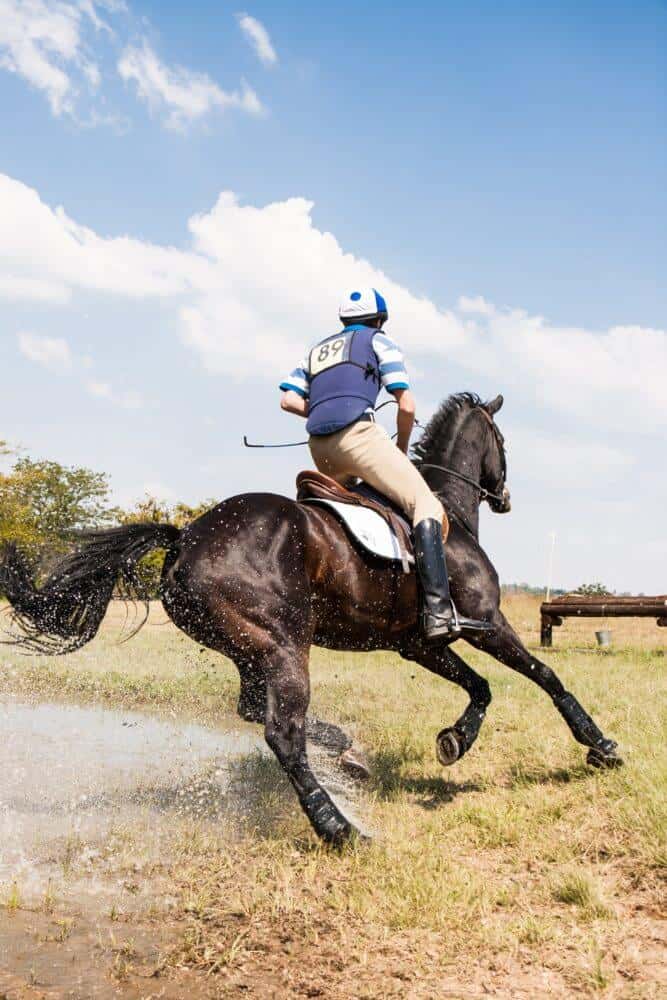
Some horses are more apt to become lame than others, especially those that perform the same maneuvers over and over. Those that run at maximum speed – such as race horses – are prone to lameness. It also occurs in slow moving animals, such as donkeys, mules and ponies. Horses who are susceptible to injury are also inclined to be affected. There are other factors, too, such as weight and age (the younger he is when said activities begin) which increase the likelihood of lameness.
Start at the bottom and work your way up
Because the majority of issues start in the feet, it’s a wise idea to check that first. Look at his hooves and make sure there’s no stones lodged in his sole, frog groove, or in between the shoe. There may be sharp objects jammed into his sole. You might even want to remove the shoe and take a closer look.
Don’t notice anything? Start moving your hands up the leg and feel for heat around his coronary band and heels. Compare each leg to the other ones and watch how he’s standing. If you notice heat and swelling between the fetlock and the knee or hock, there could be a problem. Be sure to check his knee and all related leg parts. If he recoils at being touched, that’s a warning sign, as well.
Time to trot
The easiest and quickest way to check for lameness is to do so while he’s moving. Get your horse on a good, level surface and have someone lead him so you can watch. Make sure it’s a loose rein and that his head is not restricted. Observe him in both a straight line and on a circle. A circle is more demanding than in a straight line, making lameness to be more obvious. Does his head bob like it usually does, or does he nod when he trots? As the good leg hits the ground and bears the weight, his head will go down and as the sore leg bears the weight, his head goes up. His legs should move forward in a line and his hocks should flex effortlessly.
He also shouldn’t be dragging a toe. So take a close look at which hoof or leg is the causing the problem. You can also listen, especially if you’re on a hard, concrete surface. If one foot has a problem, he’ll put less weight on it when he lands – thus a quieter sound. In short, if you hear a skip in his beats, there’s probably something wrong. It would also be a good idea to try all of this with and without the tack, because there’s always the possibility an uncomfortable tack could be the problem.
Ride him
You can learn a lot from feeling him under saddle. You won’t want to ride him if he’s clearly and seriously lame. However, if you have a hunch that something may be up, it may not hurt to give him a test ride. Is there a relaxed sway when he walks or do you feel an inconsistency? Does he take both canter leads well? Any kind of reluctance might mean he’s hurting.
Look at him in entirety
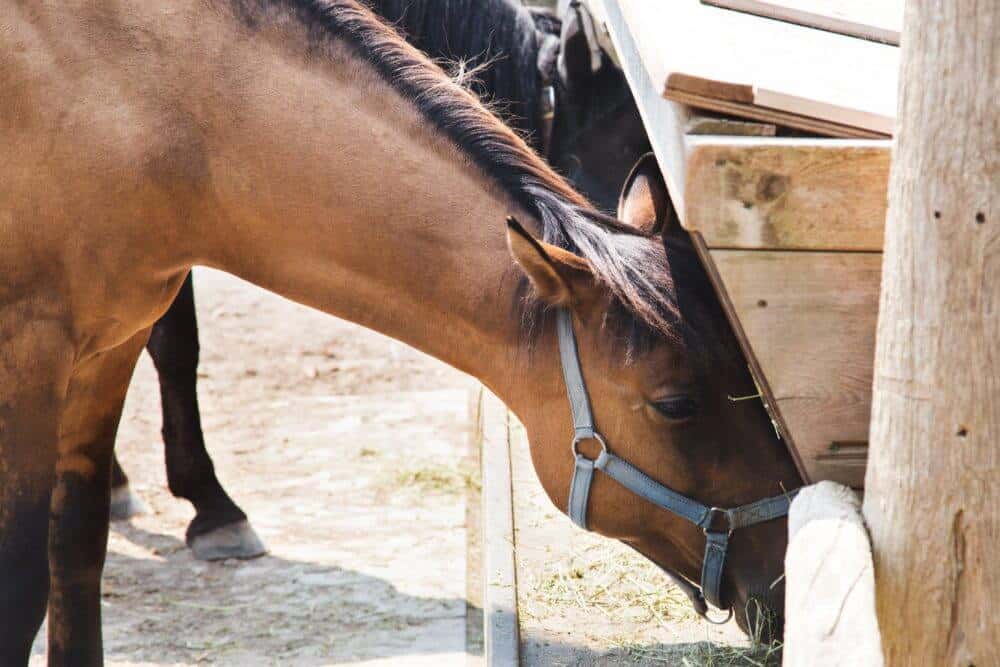
Look at the big picture. Has his overall character changed? Does he seem to be less playful or simply move less? How does he interact around other horses? Has he not been eating properly? Has he been missing out on vitamins? Has the weather affecting him? What about his disposition toward work?
Most horses look forward to movement, so if you notice something wrong you don’t want to let it slide and potentially worsen. You might also notice physical differences, such as increased sweating, breathing, or a faster pulse. There’s a lot to consider when trying to pinpoint an issue like lameness, so keep these factors in mind should you end up discussing them with your vet.
There’s no substitute for experience, so get in the habit of watching your horse closely and you’ll develop a better eye for it.
