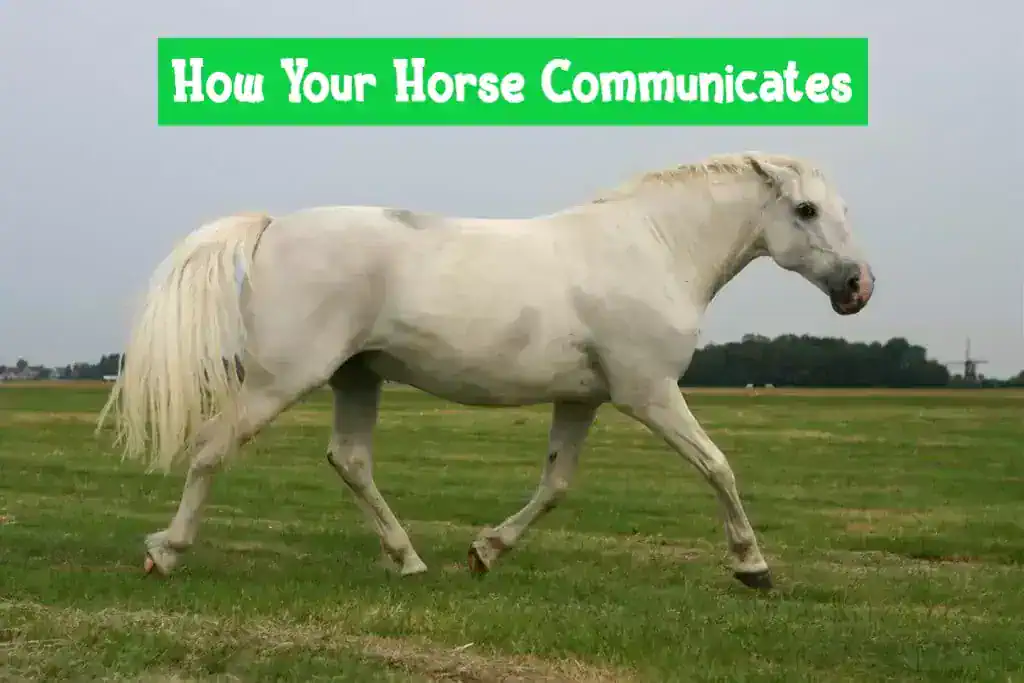
Horses talk in ways other than nickers and neighs! When it comes to communicating with their human partners, horses have to be a bit creative. If you are wondering what your horse may be trying to tell you, refer to this guide!
“I am sore.”
This is a common message that horses attempt to communicate. What can often be misinterpreted as “naughty” behavior may actually be your horse telling you that he is hurting. Some examples of a horse in pain, especially when this behavior comes on suddenly, are:
– Stiff gaits
– Uneven movement or flexibility
– Unwillingness to perform athletic tasks (laziness or resistance)
– Biting or kicking when handled
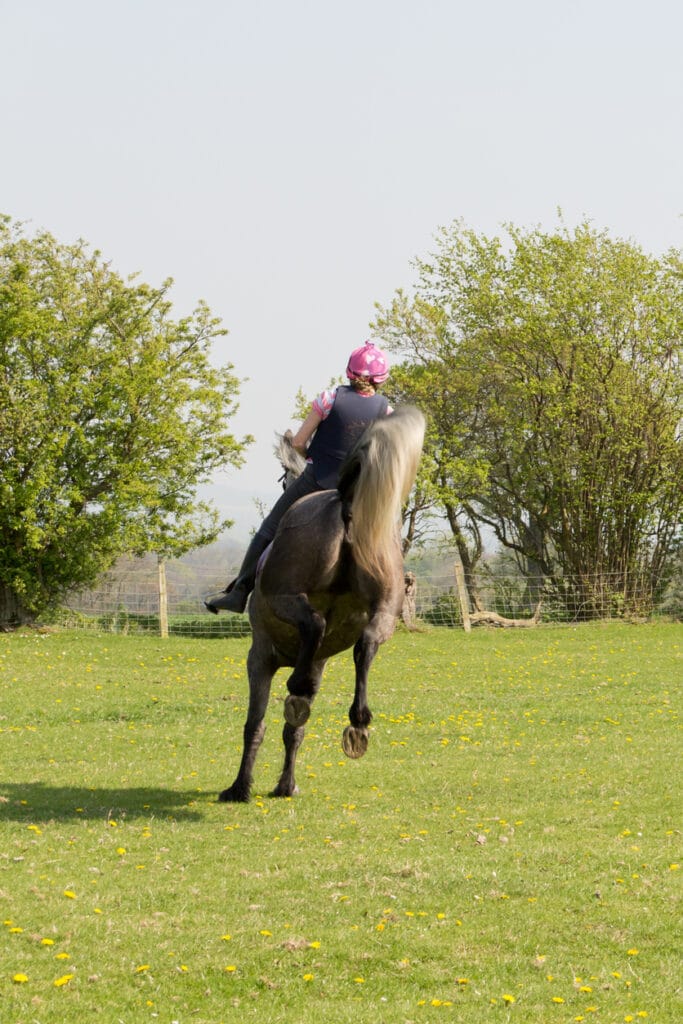
– Bucking, rearing, or bolting under saddle
– Ear pinning
“I am the boss.”
There are bossy people, and then there are bossy horses! While a confident horse is not necessarily a bad thing, a horse that chooses to walk all over you is in need of some training. How can you tell if your horse thinks he is the boss of you?
– Lack of respect for your personal space
– Dragging you when leading
– Biting or kicking when handled
– Retaliation (such as bucking) when corrected
– Ear pinning
“I respect you.”
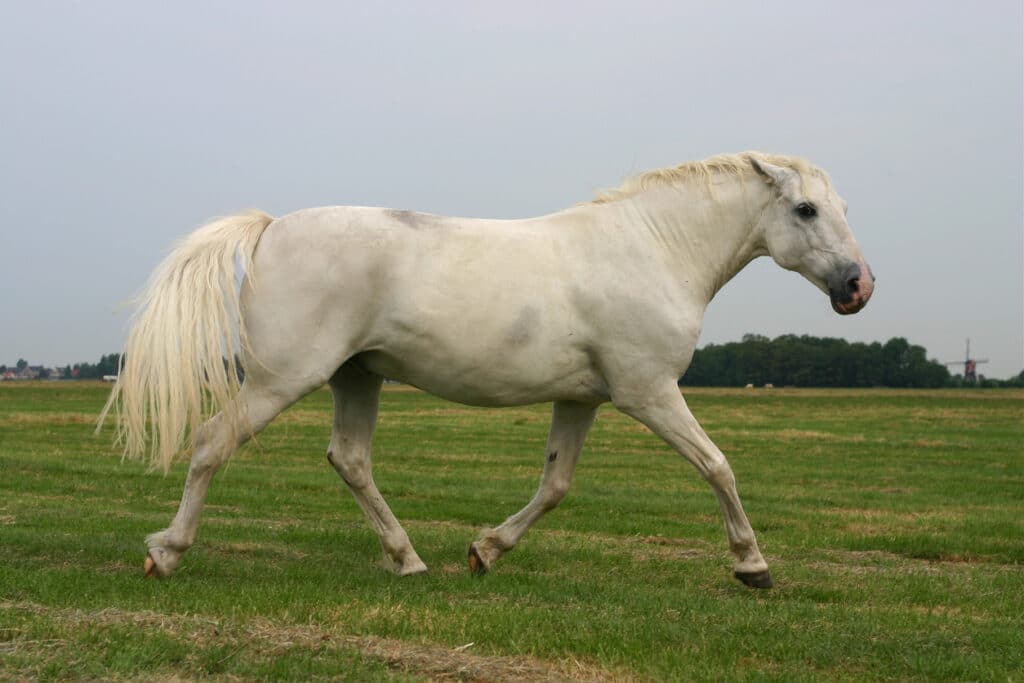
When a horse communicates this to you, it’s a great feeling. As a horse owner, the ultimate goal is to share a mutual respect with our horses. When a half ton animal respects you, you’ve done something right! Your horse respects you if he:
– Pays attention to you on the ground and under saddle
– Moves off of pressure willingly and easily
– Does not encroach on your personal space or push you around
– Stays calm in your presence
– Has a strong work ethic
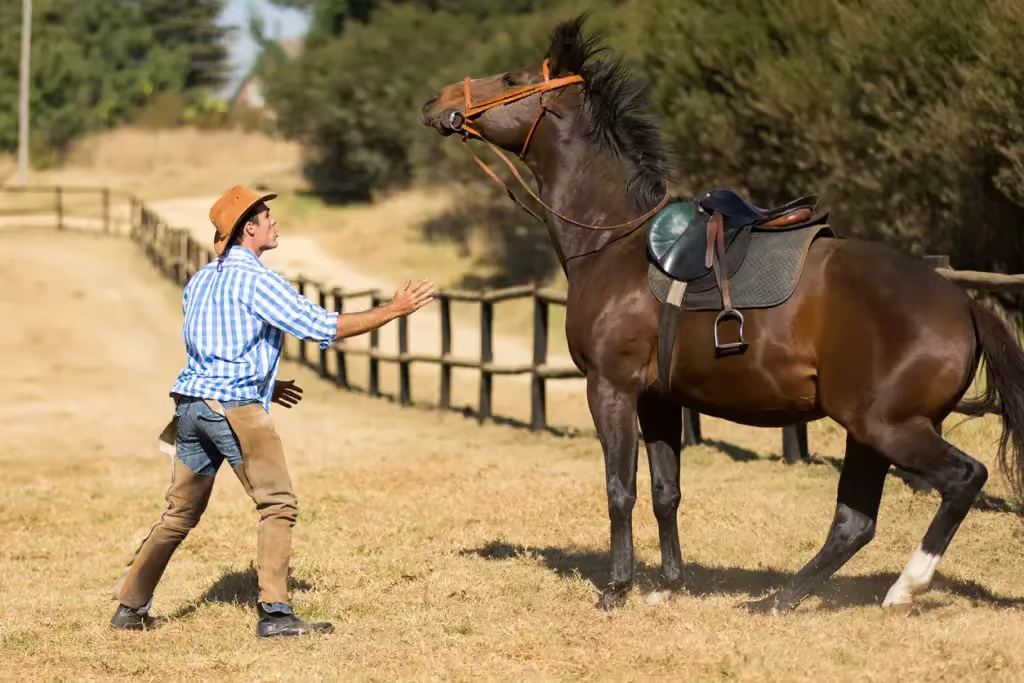
“I am nervous.”
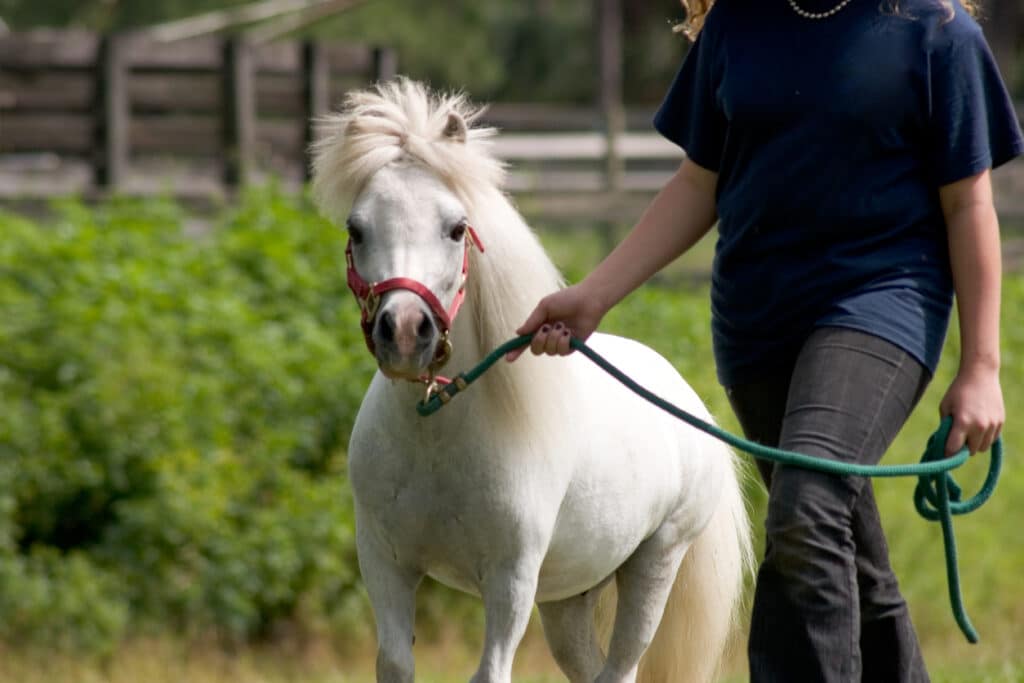
Humans and inanimate objects alike can make a horse nervous. For example, a horse that has been handled roughly in his past might overreact to the simple requests of his future handlers. Or, a horse might spook at that item in the arena that wasn’t (or was) there yesterday. How can you tell that your horse is nervous?
– Dramatically shies away from your cues
– Ears are perked, eyes are widened, breathing levels are elevated
– Hyperfocuses on the source of fear and cannot think about anything else
– Jigs, rears, tosses head, refuses to move, or bolts
“You are my friend.”
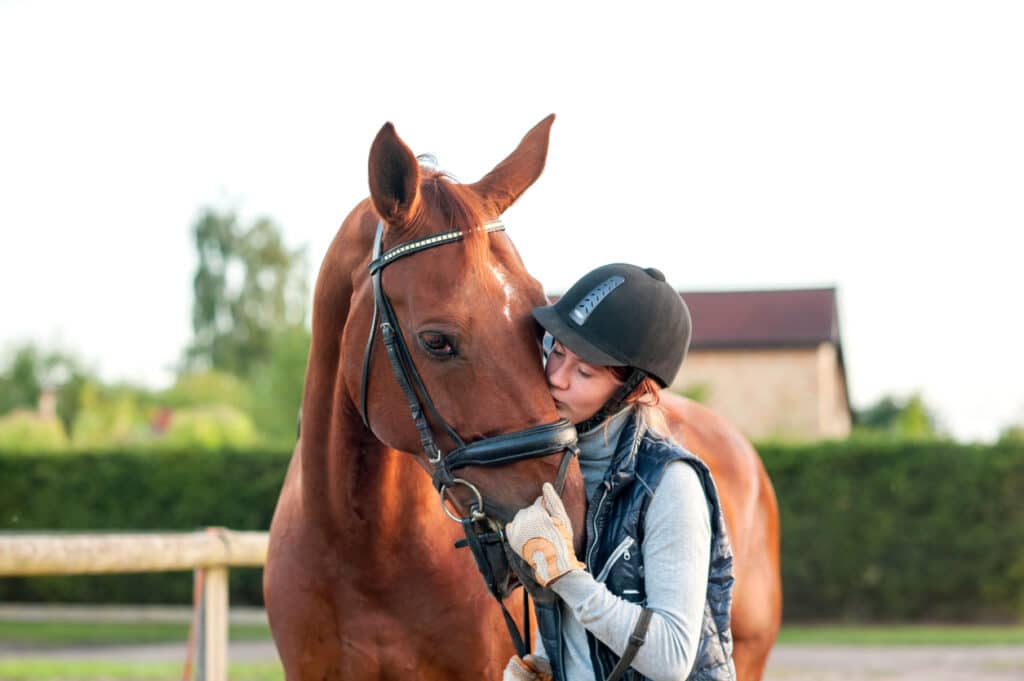
We all wish to achieve a friendly relationship with our horse. Naturally, some horses are more inclined to be friendly than others. Just because your horse doesn’t do the below things, doesn’t mean he doesn’t like you! But perhaps some bonding time is in order. Your horse considers you his friend when he:
– Follows you when unprovoked
– Nickers to greet you
– Does not attempt to push you away (ear pinning)
– Stays calm in your presence and wants to be around you
If you are struggling with a horse that behaves poorly, stop and truly consider if he is trying to tell you something. Of course, there are horses that choose to be bossy or naughty simply because of their personalities! But knowing what course of action to take depends on what your horse is trying to say. Horses are always talking… we just have to be willing to listen!