
Before long the temperatures will soar and glorious summer days will be upon us. It’s a great time for both riders and horses, basking in the magnificence of warm weather and sun rays that evaded many of us over the winter months.
At the same time, summer is an oppressive time no matter where you live. Sweltering heat and humidity can be overpowering, making those dog days seem anything but fun. It’s more than just uncomfortable, it’s a health hazard.
All of which makes staying safe in summer heat a weighty matter. Most riders are busy from June through August, and that means you’ll have to prepare for the elements that can be hard on your horse. Fortunately there are things you can do to keep your horse safe in the summer heat – as long as you have a plan of attack.
Provide plenty of water
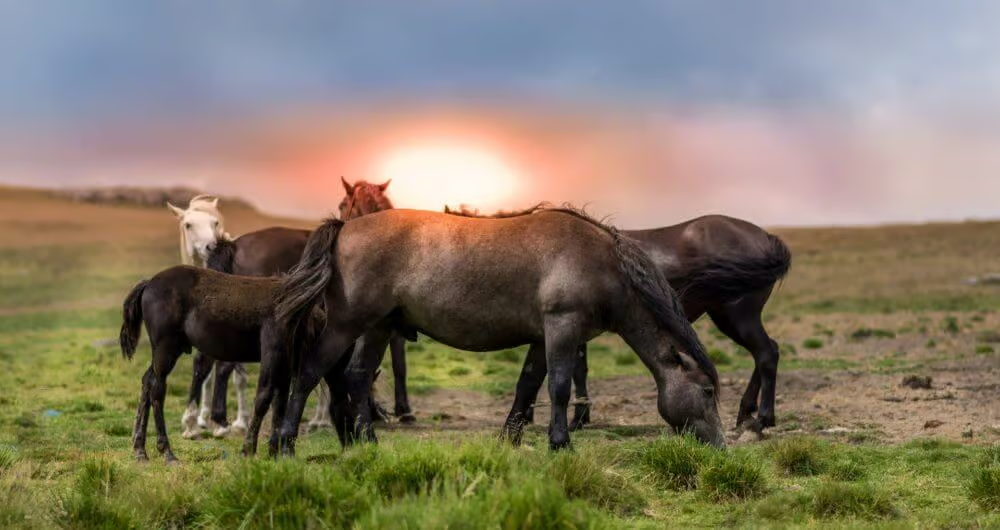
One of your most important moves is something you probably already do – offer your horse plenty of water. Check it regularly during extreme temperatures to make sure his buckets are full, because he might drink more than you realize. And not only that, make sure it’s clean, fresh and ideally cold. Horses will naturally drink large amounts of water when it’s hot outside, and the water is always going to be more appealing when it’s served cool. If you merely leave a bucket on a fence, it’ll get warm in the hot sun. It will also get stagnant and unhealthy. Conversely, cold water will encourage him to drink. If you’re doing all these things and he’s still not drinking, make sure his buckets and troughs are clean so there’s no germs and algae in the water. A salt block might encourage him to drink, as well. You can also consider water enriched with electrolytes, but always consult your veterinarian before doing so. Too many electrolytes can be bad for his health.
Consider when and where you ride
Riding during the early morning or evening hours when the sun is not at its peak will always be best. If you must, at least settle for a light ride in order to keep him rested. On those excruciatingly hot days, you might want to give consideration to not riding at all. If you ride, it’s only going to worsen his already overheated condition, so taking some time off will give him a rest and keep him healthier. If you have woods accessible to you, that environment will offer a cooler setting for him.
Think about the proper turnout time
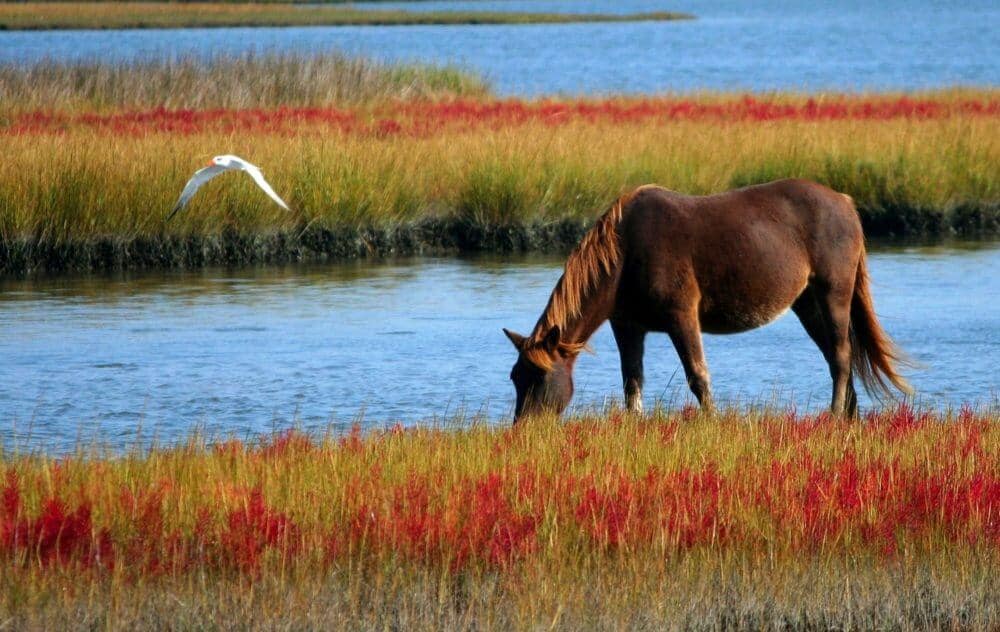
Similarly, provide turnout times during cooler parts of the day. Overnight is best, of course, but if you aren’t able to do that, early morning hours are good. Not only will you be doing your horse a favor, but you’ll also be giving your pasture a much needed rest. Scorching heat can have a blistering effect on the quality of your pasture, so it might be better to offer your horse some extra feed to keep his body in good shape and give the meadow a rest.
Make sure there’s shade
Horses love shade as much as we do. So if your horse is outside during the day, make sure you have some naturally cooler places he can rest. Trees are great, but the sun moves and can affect whether or not he benefits from it. Consider a run-in shed if you don’t have one. This will allow him to get out of the sun as well as provide shelter during the rain.
Keep air moving
Do you have some fans that can help keep the air moving in the barn? If not, get some installed right away. You’ll want to make sure they’re designed for barns and don’t create any potential fire hazard. Also, keep the cords and plugs far away from where your horse can get a hold of them.
Keep an eye on him
When the heat indexes rise you’ll want to monitor your horse as much as possible. Keep an eye on things like sweat, pulse and even temperature. These vital signs will let you know whether or not he’s starting to swelter in the oppressive heat. Talk to your veterinarian about ways you can easily monitor these essential body signs on your own.
Mist him
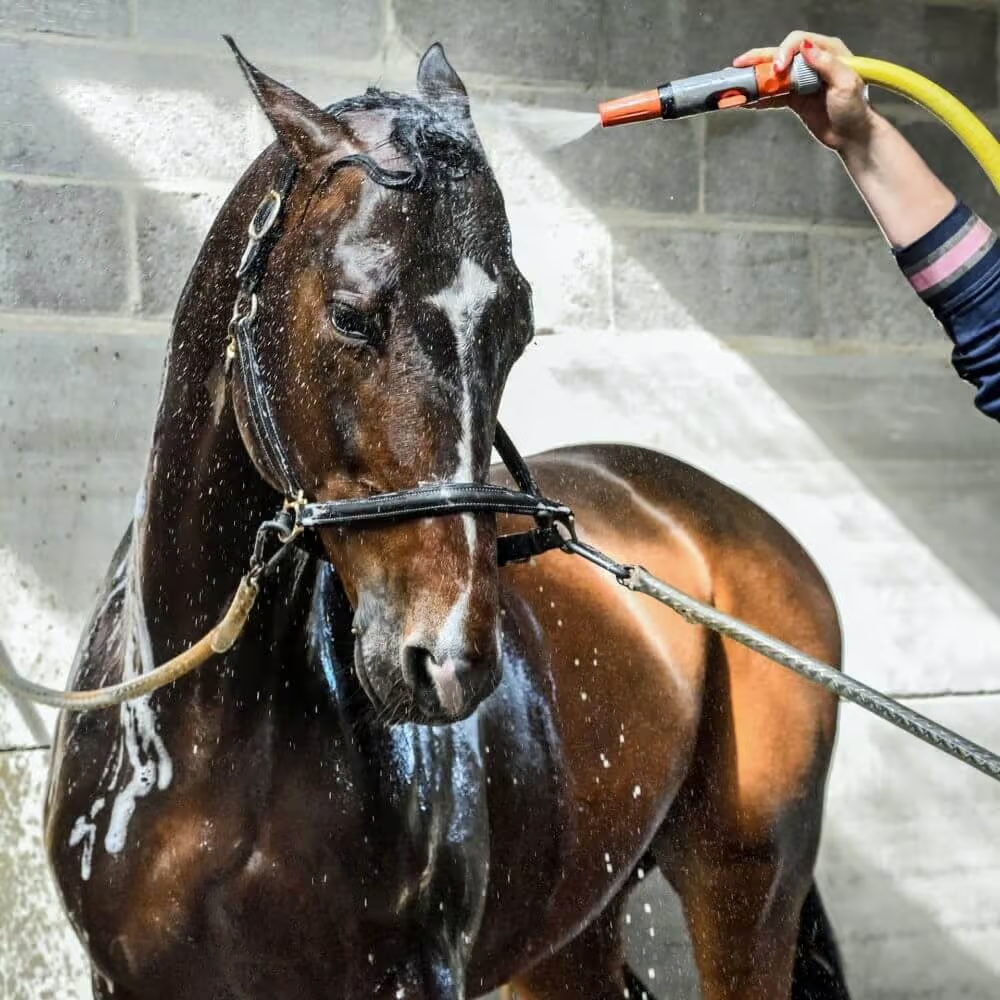
We’ve all been to amusement parks and know how good it feels when the mister gently sprays us on a hot day. Horses love that feeling, too. As water evaporates off the skin it cools the body down. However, when humidity is high, his ability to cool himself through sweating is lowered – that’s because the air has so much moisture his sweat can’t evaporate properly. If you don’t have a misting fan, perhaps you could consider getting one. That light moisture will reduce the heat affecting him, and those off-and-on mistings will be more useful than a one-time hosing down.
Hose him
Hosing can be helpful, but only if done properly. If you spray him down and leave the water sit, that’ll merely trap the heat inside – similar to putting a wet blanket on you during a hot day. Rather, hose him down and then rub the water off, just as you’d dry yourself off after a shower. Doing so will offer a more refreshing effect.
Ease up on his workload
If you have a pattern of working your horse in the mid-afternoon no matter what, you probably need to reconsider your schedule when humid weather strikes. Lighten his load, spread it out, or simply do it at another time.
Understand heat stroke
Heat stroke can impact respiratory, vascular, nervous and muscular systems. If these systems aren’t working properly it can cause his body to shut down. It can happen to horses that exercise as well as ones that don’t. It can also happen while moving, or in a stall or trailer. Know the signs: elevated heart rate, excessive sweating, increased temperature, lethargy, dehydration. If you suspect something’s wrong, contact your vet immediately.