
As much as spring bursts forth with new life, so do toxic plants that are bad for your horse. It’s a problem that deserves your attention.
Walk just about anywhere and you can find plants you recognize and others you don’t. There’s a chance some could be bad for your horse. That means you’ll want to monitor your pasture throughout the warmer months and keep an eye out for these plants that can cause your horse fits. With a little preparation, you’ll have a stronger sense of what’s safe and what isn’t.
Bear in mind, there are literally hundreds of poisonous plants throughout America but only a few that can cause severe harm to your horse. So the majority of the time you don’t need to walk around on pins and needles, but it’s still an issue of which to be aware. Look at it this way – no one wants to pay for an untimely visit from the vet, so take heed and watch for these.
Bear in mind, there are literally hundreds of poisonous plants throughout America but only a few that can cause severe harm to your horse. So the majority of the time you don’t need to walk around on pins and needles, but it’s still an issue of which to be aware. Look at it this way – no one wants to pay for an untimely visit from the vet, so take heed and watch for these.
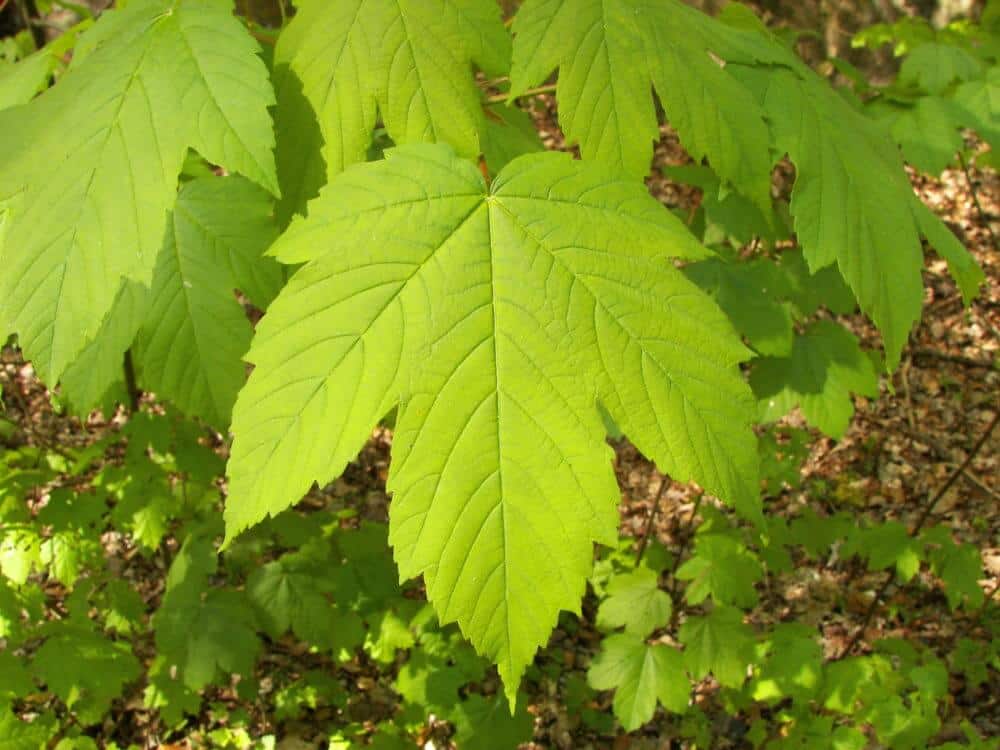
Maple trees
Maple trees are virtually everywhere, but it’s not the growing, green leaves you have to worry about – the fresh leaves from maple trees cause little harm. It’s when they wilt and drop to the ground during the fall that should alert your senses. Toxins in those wilted leaves cause red blood cells to break down so the blood can’t carry oxygen. That means organs like the kidneys and liver can also be damaged. Problems can happen even before the fall season, however, when there’s a storm and high winds cause branches and leaves to drop and wilt prematurely. The most risky trees are red maple, but silver and sugar maple leaves aren’t so great, either. If you detect symptoms like lethargy, refusal to eat, dehydration, or elevated heart rate, your horse may need an emergency visit.
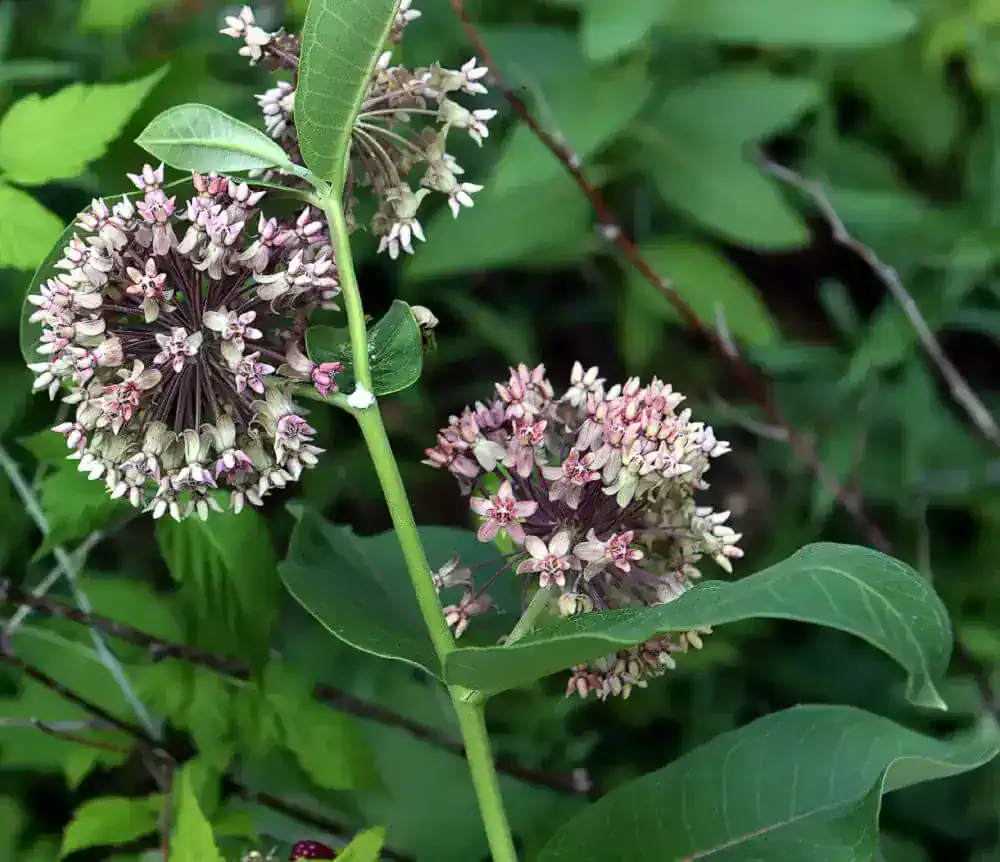
Milkweed
American milkweeds are a crucial source of nectar for bees and wasps, but the entire plant also has high toxicity. You’ll typically find this plant in a variety of settings, such wet areas like swamps and bogs, but also in ditches, dry fields and pastures. The entire plant is very poisonous and can cause major damage to the cardiovascular system. Symptoms may be as light as weakness, but milkweed can also cause seizures, coma and even death. Before you get too worried, know that most horses don’t find milkweed all that appealing – its latex-like sap makes its taste bitter and unpleasant.
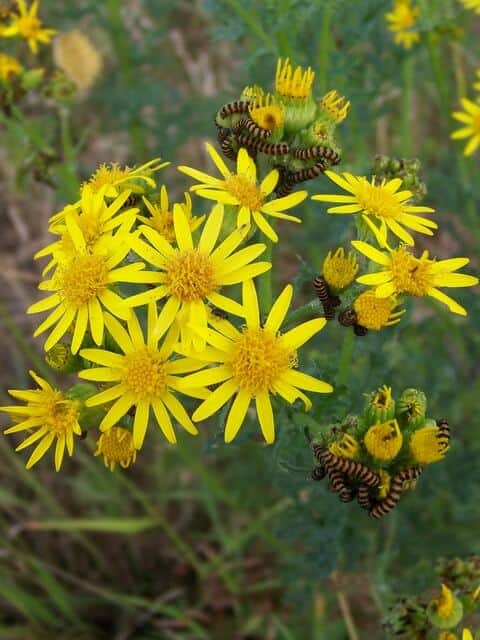
Tansy ragwort
It’s also known as ragwort, common ragwort, benweed, or stinking willie, and it’s a multi-stemmed weed with alternative leaves that produces clusters of daisy-like flowers. Levels of toxicity vary among its species’ members (there’s 70 total), but each causes damage to the liver. The problem is there’s no treatment for advanced stages of liver disease from this toxin, and there’s really no evidence of consumption until liver failure sets in. You might notice loss of appetite, a drop in weight or even loss of coordination. It’s technically a wild flower – not a weed – and typically grows in dry, open places and can reach several feet tall.
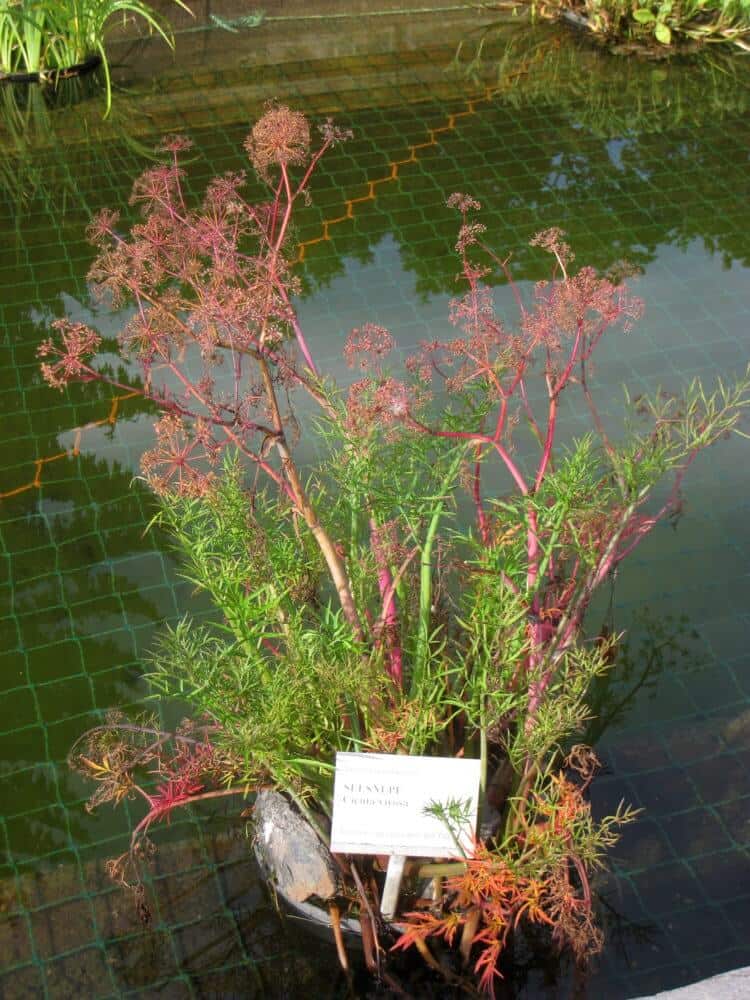
Water Hemlock
All livestock are affected by this dangerous, perennial weed that is extremely toxic and can kill a 1,000-pound animal. In fact, it’s one of the most toxic in America. It can also grow tall – up to six feet – with a thick base and elongated, toothed leaves; small white flowers form at the end. You can find it nearly anywhere in the United States, most likely in wet areas, such as marshy meadows and alongside streams or ditches. Just a little bit of the plant can cause damage to the central nervous system and cause muscle tremors, frequent urination, dilated pupils, excess saliva, incoordination, paralysis and sudden death. Even more bad news – it doesn’t take long to notice symptoms, sometimes less than an hour. If your horse survives ingestion of this weed, he’ll likely have permanent damage to the heart and skeletal muscles. There’s no doubt you’ll want to steer clear of this nasty weed.
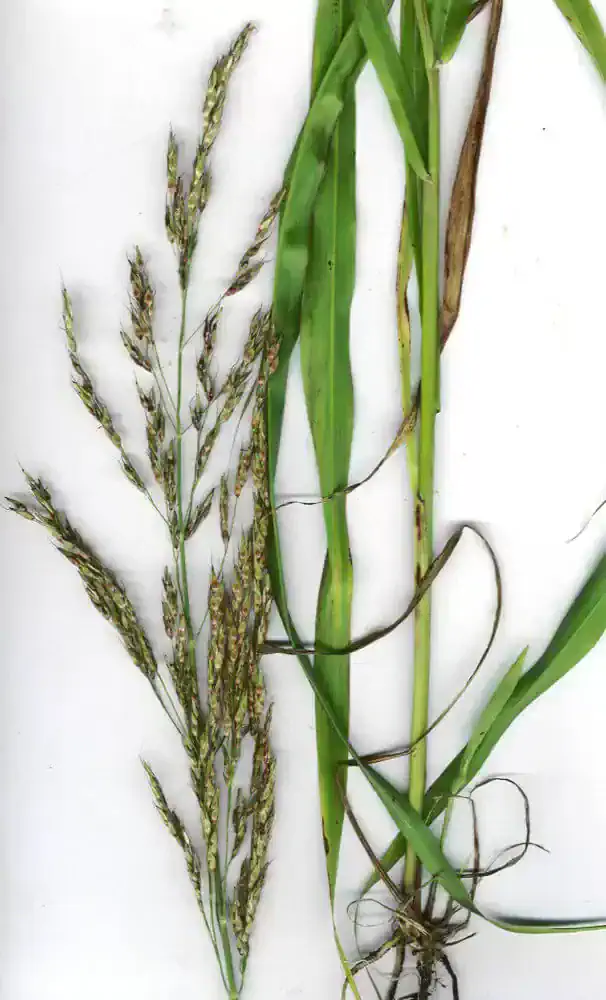
Johnson grass
Also called Sudan grass, this is widely considered one of the ten worst weeds in the world. Why? Because it contains enough hydrogen cyanide to kill cattle and horses if eaten in quantity, and may cause bloat in them. It’s also an annoyance to farmers because it can choke out other crops. You’ll often find it in fields, pastures and abandoned places that don’t get mowed. As such, it grows tall and has large, multi-branched seed heads. If you first notice rapid breathing, have your horse checked right away because that can lead to tremors, gasping and convulsions.
Toxic plants aren’t to be taken lightly. It’s important you know their names and can recognize them in order to keep your horse safe. And yet, there are so many more plants that can be dangerous for your horse’s health. So bear in mind that the toxic plants listed here comprises no exhaustive list, nor are the symptoms and places where you can find them.
Do you part to be aware of your surroundings and anything that can affect him.