
If you have a horse that likes to give you fits no matter what, you know how it tests your mettle. You know the kind – the ones who jerk, jump, evade, fuss, buck, or run away from your every move. They can be tough to train, challenging to ride and hard to enjoy.

There’s no question about it, whether you’re experienced or just beginning to ride, a difficult horse can be tough to handle. Understanding the demanding horse is a lot like dealing with other people around you; the more difficult people in your life require patience, and horses do, too.
It’s possible the horse may never change, so the struggle lies in the unwritten rules – the horse simply doesn’t stick to those procedures the rider has learned. So what can you do? Figure out the new rules. And that involves developing a solid relationship with chemistry, a lot of understanding and great patience.
Figuring out their fear
Equine anxiety can begin in a lot of different ways. First of all, there are a lot of objects that can cause fear, such as rocks, equipment, cars, buildings, jumps – or even other animals they might come across. It could also be that the horse is encountering new and different situations with which they’re not familiar: enclosed barns/arenas, difficulty in being alone and apart from other horses, riding in a new trailer, or a change in a riding routine.
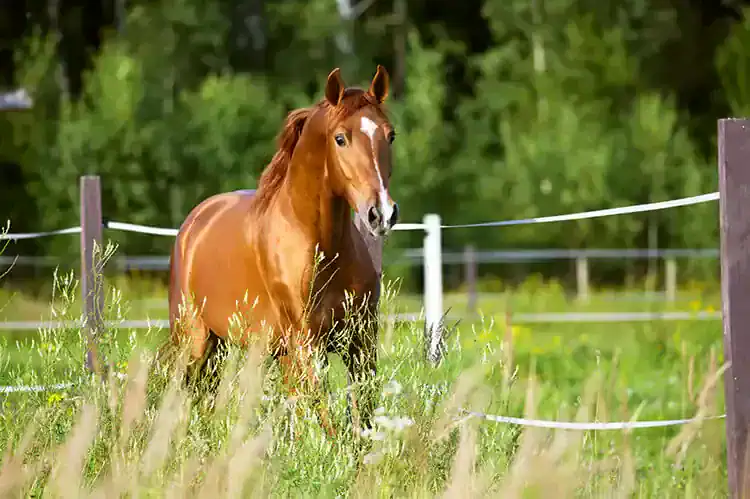
They might hear sudden sounds that alarm them. They might not be used to grooming or clipping. Even the type of rider can cause anxiety. Take a look around you to figure out what could be some causes of the difficult behavior. The source could be closer than you think.
Realizing that it’s making you a better rider
You want to become a better overall rider, right? There’s no better place to get experience in adapting to other horses than with a difficult horse. Such a scenario will allow you to get your technique right because you have to approach the animal with care, and you’ll need to do some bending and shifting of your own to find what works. You’ll need to apply some thoughtful intuition about finding the right position, learning how to keep the horse at a slower pace and getting the right response from clucking.
It’s teaching you about yourself
While a difficult horse can be problematic, you can’t lay it all on the horse. Let’s face it, dealing with a trying horse is no different than handling a tough child – it can easily get on your nerves. If you allow that negative energy to harbor inside you, it will eventually come out either in a verbal or nonverbal way. The horse feeds off of it, so there’s no point in letting yourself get to a boiling point. Take some inventory of your own moods and feelings as you spend time with the horse, and try to keep it positive and productive.
In dealing with a challenging horse, it’s important that you approach the horse sensitively and thoughtfully, just like an individual. The whole experience will require confidence and patience, and you’ll both be better off because of it.