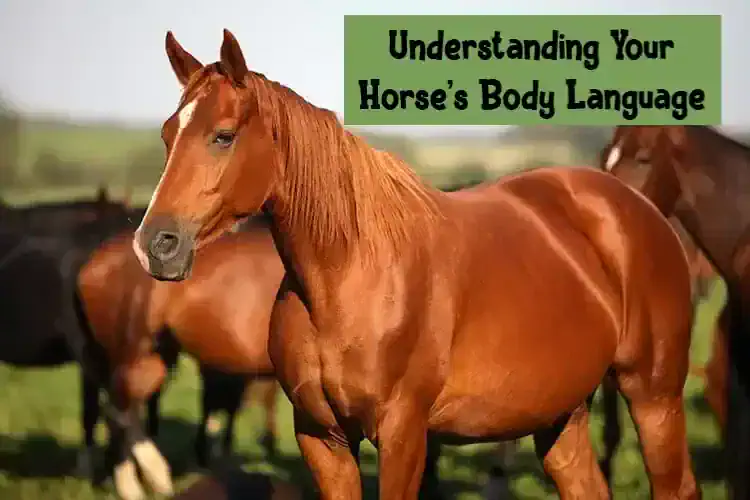
If you’ve had your horse for a while now, you probably have his behavior figured out. For example, if you notice his ears back, that means he’s probably angry, though it could also mean he’s concentrating. An obvious sign that he’s happy means that his nostrils are relaxed.
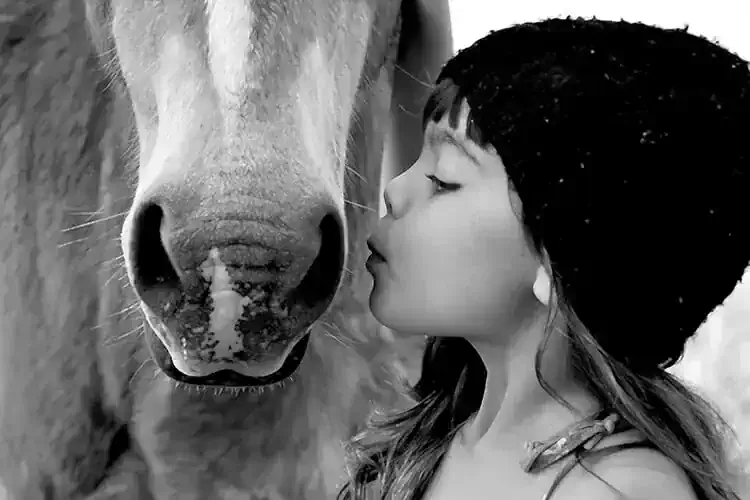
Horses really aren’t much different than other animals. Their body language can tell you a lot about them. The problem is, sometimes it’s not so obvious, so the better you understand their behavior and body language, the better you’ll remain safe while working with them. Here’s a few common horse body language signs and what they generally mean. They key to all of this, of course, is knowing what body language is normal for your horse.
Head, ears and neck positions
Whether it’s a horse or person, most of us watch the head – it’s where we receive the most visual cues. A higher head and neck position typically means that he’s more excited, whereas a lower position means he’s relaxed.
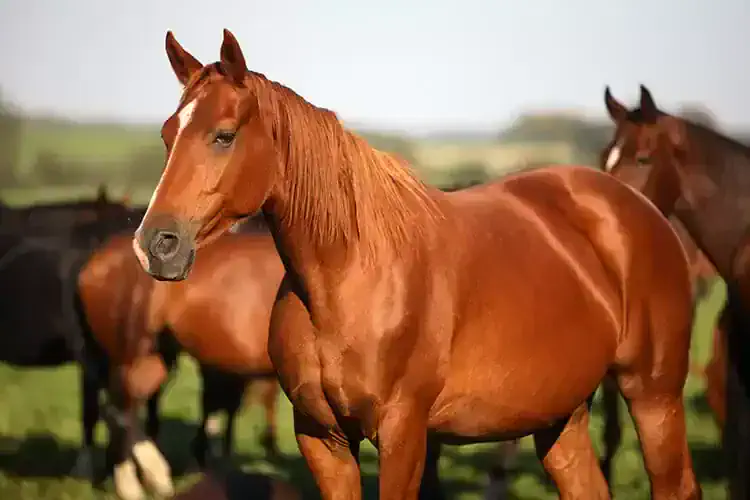
You’ve probably noticed that ears give off plenty of cues. As mentioned, both ears back could mean that he’s irritated, and that can be confirmed if you see the whites of his eyes and visible teeth. At the same time, he could be concentrating, as you’ll note when horses are running or competing. One or two ears slightly back means that he’s probably listening to something behind him or that he’s listening to the rider. If his ears are tilted forward, he’s listening and attentive to something, and if you notice nostrils flaring as well, that could mean he’s scared.
Tail movement
It may seem like a glorified fly swatter, but the tail sends signals, too. A tail that’s raised above the level of the back, like a flag, is a sign of excitement. If that’s happening a lot, he probably isn’t paying much attention to you, so help him to refocus. If the tail is clamped between the legs (just as the saying goes), he’s probably nervous. Tail swishing means he’s agitated, so be careful if you see this – he might be ready to kick. A horse often does this to warn other horses to stay away.
Bucking and rearing
If the horse takes off running and bucking across a field, that’s a sign that he’s feeling good and playful. Bucking could also mean that he’s frightened, because young horses tend to do this when they’re new to riders and trying to unseat them. But horses that are really afraid probably won’t buck, they will rear up or run. They like to rear when they’re playing, and you’ll tend to see this in foals playing with other foals. If your horse is rearing all the time, it may mean that they are mean and dangerous to handle.